
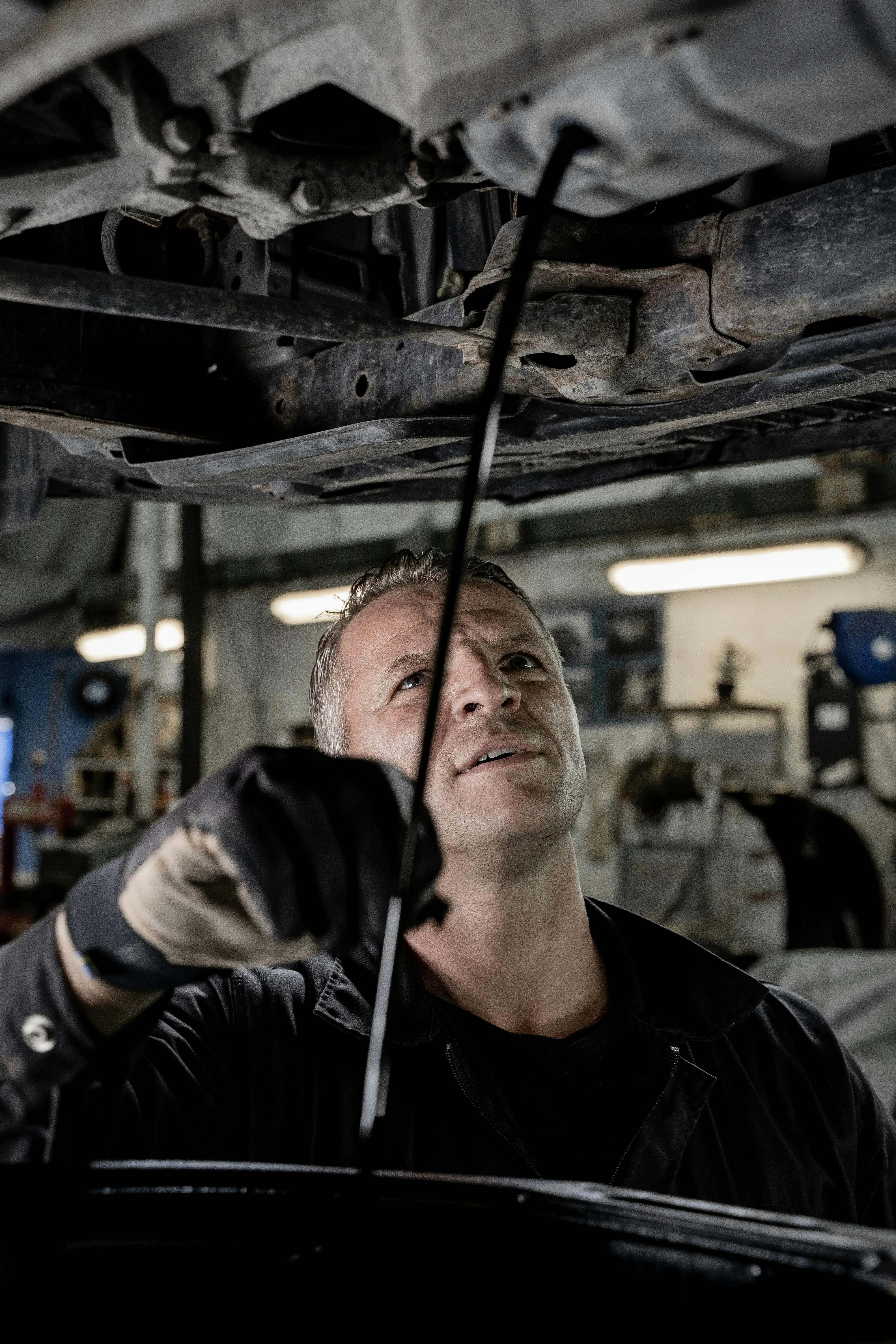
Brakes are arguably the most important safety feature on your vehicle. Regular brake maintenance isn’t just about passing inspections — it’s about keeping yourself and others safe on the road.
Neglecting your brakes can lead to poor stopping performance, increased wear, and expensive repairs.
Know the Signs of Worn Brakes
Your brakes communicate with you before they fail completely. Pay attention to:
-
Squealing or grinding noises
-
Longer stopping distances
-
Vibration or pulsation in the brake pedal
-
Warning lights on the dashboard
Catching these signs early can prevent minor issues from becoming major problems.
Routine Brake Maintenance
Most mechanics recommend inspecting your brakes at least once a year, or more often if you drive in stop-and-go traffic. Key maintenance steps include:
-
Replacing worn brake pads
-
Checking brake fluid levels and quality
-
Inspecting rotors for wear or warping
-
Examining brake lines for leaks
Proper maintenance ensures consistent performance and extends the lifespan of your braking system.
Brake Fluid: The Unsung Hero
Brake fluid transmits the force from your pedal to the calipers. Over time, it can absorb moisture, reducing braking efficiency and increasing corrosion risks.
“Old brake fluid can be just as dangerous as worn pads.”
Flushing and replacing brake fluid according to your manufacturer’s schedule is critical for safety and performance.
Don’t Forget Emergency Brakes
Your emergency (parking) brake is more than just a tool for parking on a hill. Regular inspection and adjustment keeps it ready in unexpected situations.
Stay Safe and Confident
Your brakes are your last line of defense on the road. Paying attention to warning signs and following a maintenance schedule keeps your vehicle reliable and safe.
If you’re unsure about your brake health, schedule an inspection today — it’s a small investment for peace of mind and safety.