
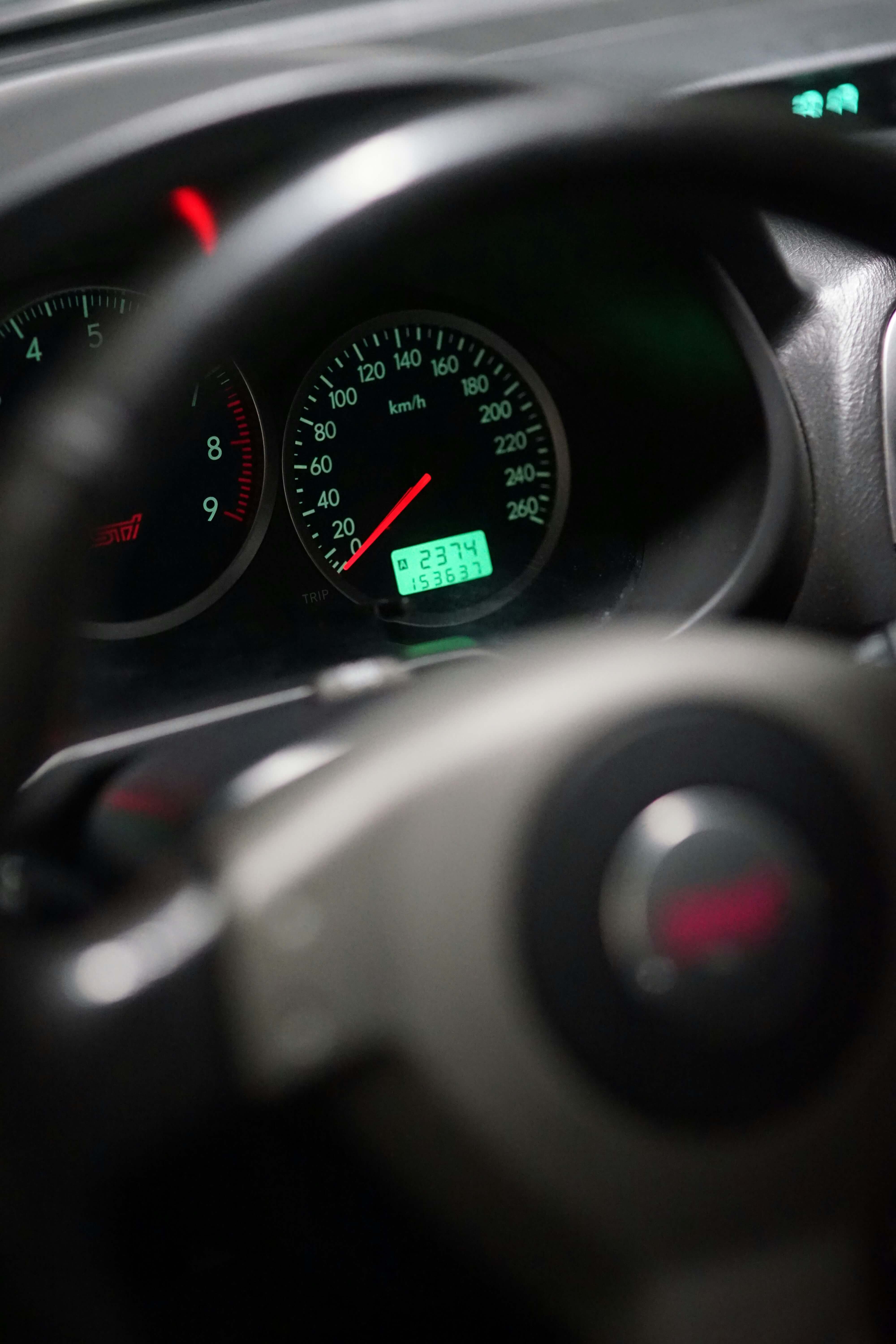
Modern vehicles are packed with sensors, computers, and warning systems designed to keep you safe. When a light appears on your dashboard, it’s your car’s way of asking for attention — not something to ignore or “deal with later.”
Understanding what these lights mean can save you stress, time, and a significant amount of money.
Not All Warning Lights Mean “Stop Immediately”
Seeing a light turn on doesn’t always mean your vehicle is about to break down on the side of the road. Some alerts are informational, while others signal urgent problems.
That said, every warning light deserves attention.
Common dashboard lights include:
-
Check engine light
-
Oil pressure warning
-
Battery or charging system alert
-
Brake system warning
-
Tire pressure monitoring system (TPMS)
Each one points to a different system — and each system plays a critical role in keeping your vehicle running safely.
The Check Engine Light Isn’t Just One Problem
The check engine light is one of the most misunderstood indicators. It doesn’t mean one specific issue — it can represent dozens of possible conditions.
Some are minor, such as a loose gas cap. Others can be serious, including misfires, emissions failures, or sensor malfunctions.
Ignoring it can lead to:
-
Reduced fuel efficiency
-
Increased emissions
-
Long-term engine damage
A quick diagnostic scan can often pinpoint the issue before it escalates.
Oil and Temperature Lights Mean Act Fast
Unlike some alerts, oil pressure and engine temperature warnings should never be ignored.
Low oil pressure or overheating can cause immediate and severe engine damage. If either of these lights turns on while driving, it’s best to safely pull over and shut the engine off as soon as possible.
“An engine can survive a lot — but not without oil.”
Addressing these warnings early can be the difference between a simple fix and a full engine replacement.
Warning Lights Don’t Replace Inspections
Dashboard systems are helpful, but they aren’t perfect. Many mechanical issues develop silently before triggering a sensor.
That’s why routine inspections are still essential. During regular service, technicians can catch problems like:
-
Worn suspension components
-
Cracked belts and hoses
-
Leaking fluids
-
Failing batteries
These issues may not trigger a warning light — but they can still leave you stranded if ignored.
When in Doubt, Get It Checked
If a warning light turns on and you’re unsure what it means, the safest move is to have it inspected by a professional. Waiting rarely makes the problem cheaper or easier to fix.
Your vehicle communicates with you every time you drive it. Paying attention to those signals helps keep you safe, protects your investment, and prevents unnecessary repairs down the road.
If you have questions about a warning light or notice something unusual, our team is always here to help.